What is a Network Token, and why does it matter?
Network Tokens series. Part 1 of 3.
What is a Network Token, and why does it matter?
Network tokens replace card numbers with scheme-issued tokens. Here's how network tokenisation cuts fraud, reduces false declines and lifts approval rates.
Customer expectations move as fast as the technology behind them. Seamless, secure payments aren't a premium feature any more. They're the bare minimum.
Yet many online payments still rely on customers typing a long card number into a form. That card-not-present flow wasn’t built for the way people shop today.
1 in 4 consumers abandon their basket when checkout is too long or complex.1
7x higher fraud online than at the point of sale. 2
Network tokenisation is the industry’s most practical answer. It replaces sensitive card numbers across the payment flow with network-issues tokens - improving security, reducing friction and boosting approval rates.
In this first post of our three-part series, we explain what a Network Token is, how network tokenisation works and why it’s now a foundation of modern payment infrastructure.
What is a Network Token?
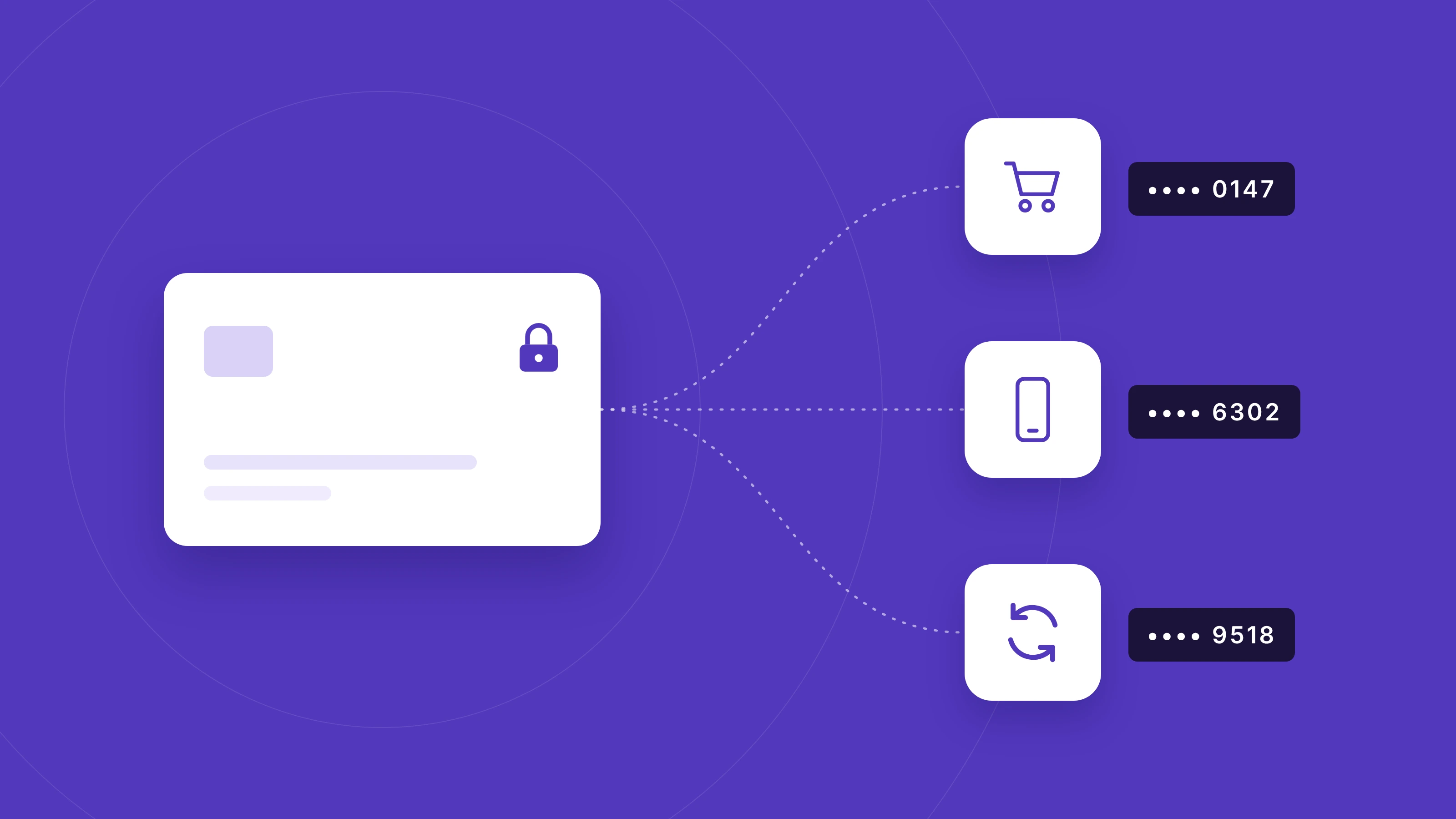
A Network Token is a secure, digital replacement for a card’s Primary Account Number (PAN). It’s issued by the card scheme, such as Visa or Mastercard, and used in place of the real card number throughout the payment flow.
Each network token is tied to a specific merchant, and if ever intercepted, is of little use to anyone else. Network tokenisation enriches transactions with high-quality data, which enables issuers to make better authorisation decisions.
The result is reduced fraud, higher approval rates and a smoother online checkout experience, benefiting both merchants and consumers.
The importance of Network Tokenisation
Issuing banks are the ones responsible for deciding whether a transaction is approved or declined. That decision is based on multiple factors, including risk signals, transaction history and how confident they are in the payment credentials being used.
Network Tokens strengthen each of these signals.
From merchants, PSPs, acquirers and issuers perspectives, Network Tokens offer several key advantages:

Higher approval rates
Issuer‑trusted credentials help reduce friction and false declines, costing merchants $443bn annually 4 and enabling a potential 3-6 percentage-point improvement in approvals on average.5

Domain restriction
Network Tokens are created for use with a specific merchant or wallet, reducing the risk of misuse.
If a Network Token is compromised, the risk of it being used outside its intended environment is reduced.

Reduced Friction
Network tokens receive significantly reduced 3D Secure 2 challenge responses, enabling merchants to check out without the friction of a 3D Secure 2 challenge more frequently.

Cryptographic security
Network Tokens are protected using a one-time cryptogram, which dynamically validates each transaction, making them significantly harder to exploit if intercepted.
This real-time security check helps to prevent attacks and other forms of fraud, greatly reducing the risk of fraud and chargebacks.

Richer transaction context
Because Network Tokens are managed at network level, issuers have clearer visibility into where and how a payment is being made. This is designed to increase security by enhancing fraud detection, which in turn strengthens trust and improves decision making.

Less reliance on card numbers
Moving away from using card numbers lowers the risk of credential compromise and fraud.

Better customer experience
Lifecycle management means credentials are updated automatically, helping to prevent subscription cancellations and failed recurring payments.
Where Network Tokens add the most value
Transactions that use Network Tokens are often viewed more favourably than those using raw card details.
This leads to higher authorisation rates and fewer unnecessary declines, and are particularly useful in scenarios where card details are stored or used for repeat purchases, including:
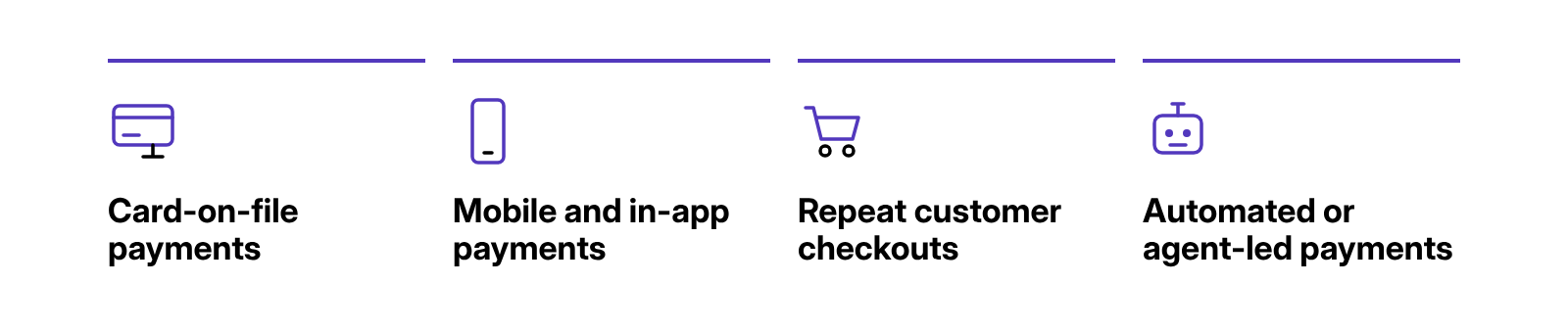
In these environments, payment performance can be closely tied to credential reliability.
Network tokens receive significantly reduced 3D Secure 2 challenge responses due to the cryptographic security benefits that come with the use of a Network Token.
This is crucial in the modern payments ecosystem where friction during the checkout experience has a direct and negative impact on conversion rates.
Reducing failed payments, keeping credentials up-to-date and minimising unnecessary declines can have a direct and measurable impact on revenue, customer retention and overall customer experience.
In our next blog, we will take a deeper dive to explore the Inner Mechanics of Network Tokenisation.
Sources:
Mastercard | Checkout Whitepaper April 2026 - Network tokenization: powering the e-commerce of today and tomorrow.
1. Mastercard Global Foresights, Insights & Analytics Research, November 2023.
2. Mastercard Proprietary Data, Jan-Jun 2024.
4. Vesta | False declines and false positives are costing you revenue - Ekata, a Mastercard company, 2023.
5. Mastercard internal data. Benchmarked FY 2025 sample of MDES for Merchants customers on CNP first attempt transactions.